
Wheel Offset, Bolt Pattern & Backspacing Explained : Complete Guide

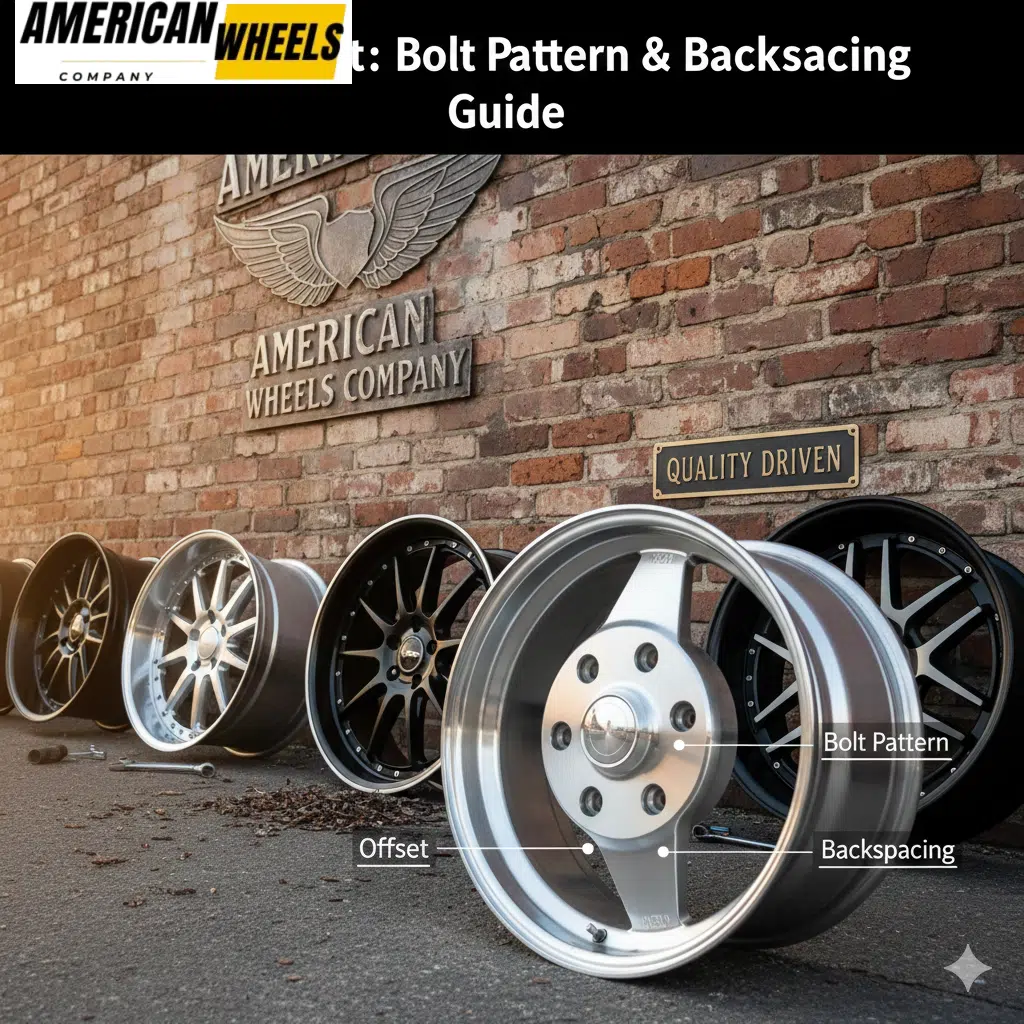
Understanding wheel offset, bolt pattern, and backspacing is essential for anyone upgrading their wheels in 2025. Whether you’re customizing a performance vehicle, upgrading an SUV, or simply replacing factory wheels, the geometry behind your wheel fitment directly affects safety, handling, and long-term vehicle health. With thousands of wheel styles available across the U.S., knowing how each specification works is the best way to avoid costly mistakes. This guide breaks down wheel offset explained, bolt patterns, and backspacing in a clear, practical way so you can confidently choose wheels that fit properly, look great, and perform safely on American roads.
Wheel fitment problems are among the most common issues reported by drivers who install aftermarket wheels. Incorrect offset, mismatched bolt patterns, or improper backspacing can cause rubbing, suspension stress, vibration, and braking interference. Even accessories such as wheel center caps or floater center caps rely on proper fitment for secure installation. That’s why understanding these measurements is essential before upgrading wheels on any vehicle.
What Is Wheel Offset?
When searching for wheel offset explained, the simplest definition is:
Wheel offset is the distance between the wheel’s mounting surface and its true centerline.
This measurement determines how far the wheel sits inward or outward relative to your vehicle’s fender and suspension.
Offset is measured in millimeters and comes in three types:
Positive Offset
Positive offset means the mounting surface is closer to the outside of the wheel. Most modern cars, SUVs, and trucks in the U.S. use positive offset wheels. This keeps the wheel tucked under the fender and ensures proper clearance for suspension components.
Positive offset wheels are commonly paired with premium accessory options like 146mm chrome center caps, which fill the center bore cleanly for a factory-fresh appearance.
Zero Offset
Zero offset means the mounting hub is exactly at the centerline of the wheel. This setup is common on classic muscle cars, off-road vehicles, and performance builds that require a wider stance.
Negative Offset
Negative offset wheels push the wheel outward from the hub, giving the vehicle a deep-dish appearance. This is popular in lifted trucks, off-road vehicles, and custom builds seeking a wide, aggressive stance.
Negative offset wheels also create more stress on suspension components if not chosen correctly. This makes proper fitment knowledge crucial.
Why Offset Matters for Performance & Safety
Incorrect offset affects multiple aspects of your vehicle:
- Handling: Too much positive offset pulls the wheels inward and affects steering responsiveness.
- Braking clearance: Too much negative offset may cause the wheel spokes to contact brake calipers.
- Suspension stress: Incorrect offset increases stress on wheel bearings and ball joints.
- Fender rubbing: Improper offset can cause the tire to rub against the fender or inner wheel well.
According to the National Highway Traffic Safety Administration (NHTSA), improper wheel fitment, including incorrect offset, contributes to wheel-related mechanical failures every year. These failures frequently occur when aftermarket wheels are installed without proper measurement.
Bolt Pattern Explained (How to Read Your Wheel Fitment)
Bolt pattern, also known as lug pattern, describes the number of lug holes on your wheel and the diameter of the circle they form. For example:
- 5×114.3 (5 lugs spaced around a 114.3mm circle)
- 6×135 (common on Ford trucks)
A bolt pattern must match your vehicle exactly. Even a difference of 1–2mm makes the wheel unsafe to install.
Most U.S. sedans, SUVs, and sports cars use 5-lug bolt patterns, while trucks may use 5-lug, 6-lug, or 8-lug configurations depending on weight class.
If your bolt pattern doesn’t match, you cannot force the wheel to fit. Some people mistakenly try universal adapters, but these can weaken structural integrity unless designed specifically for the vehicle. Proper bolt pattern selection ensures that accessories such as floater center caps fit correctly and stay secure while driving.
Backspacing Explained
Backspacing measures the distance from the mounting surface to the back lip of the wheel. This determines how far the wheel sits inward toward suspension components.
Correct backspacing is essential to avoid:
- Strut and shock interference
- Control arm rubbing
- Brake caliper clearance issues
- Tire rubbing against inner wheel wells
Many American drivers confuse offset and backspacing, but both measurements must work together. Offset determines how far the wheel sits relative to the fender, while backspacing determines how far it sits toward the suspension.
How Offset, Backspacing & Bolt Pattern Work Together
To fully understand wheel offset explained, you need to see how these three measurements influence each other.
Offset + Backspacing
Higher positive offset = more backspacing
Lower offset (or negative offset) = less backspacing
Bolt Pattern + Offset
Changing offset does not change bolt pattern compatibility.
However, a wheel with a correct bolt pattern but incorrect offset will still not fit properly.
For example:
A 5×114.3 wheel with a +45 offset may fit a Honda Accord perfectly, but the same wheel in a +20 offset may poke outward, cause rubbing, and affect steering.
Checking Fitment: How to Be 100% Sure Your Wheels Will Fit
Proper fitment is one of the most overlooked steps when choosing wheels—and one of the most important.
Here’s how to check fitment correctly:
Step 1: Verify Bolt Pattern
Check your vehicle manual, online database, or measure your current wheel’s bolt pattern. A mismatch is an automatic disqualification.
Step 2: Determine Factory Offset
Most manufacturers list factory offset ranges. Staying within ±5–10 mm ensures safe fitment.
Step 3: Measure Backspacing
Use a tape measure and level to determine how much inner clearance you have near suspension components.
Step 4: Check Center Bore Compatibility
Center bore determines how well your wheel centers on the hub.
If the bore is larger than the hub, hub rings may be used.
Center caps also rely on accurate bore sizing. Understanding how floating center caps work helps ensure proper installation.
Step 5: Confirm Brake Clearance
Bigger brake kits require wheels with the right spoke shape and offset.
Step 6: Install Center Caps Properly
Whether installing or removing caps, follow proper technique. If you’re unsure, refer to the guide on how to remove wheel center caps to avoid damaging your wheels.
Real-World Examples: Understanding Offset in the U.S. Market
Example 1: Ford Mustang (Performance Car)
Factory offset: +35 to +45
If you install +15 wheels, the wheels will poke outward, potentially causing fender rubbing during hard turns.
Example 2: Toyota Camry (Daily Driver)
Factory offset: +40 to +50
Installing +20 offset wheels changes handling characteristics and increases steering weight.
Example 3: Ford F-150 (Truck)
Factory offset varies widely by trim.
Off-road builds often use negative offset wheels to create a wider stance.
Why Correct Offset Improves Handling
Offset plays a major role in steering geometry:
- Too much positive offset reduces stability
- Too much negative offset widens track width and increases resistance
- Incorrect offset shifts the scrub radius, affecting braking and steering force
These geometry changes have long-term effects on suspension parts, including ball joints, tie rods, and wheel bearings.
According to research from the U.S. Department of Energy, weight distribution and wheel geometry affect efficiency and steering control, making correct offset essential for safe operation.
Common Fitment Mistakes to Avoid
Mistake 1: Choosing Wheels by Looks Only
A deep-lip wheel may look appealing but may not fit your suspension geometry.
Mistake 2: Ignoring Center Bore Size
Improper bore size causes vibration at higher speeds.
Mistake 3: Using the Wrong Bolt Pattern
Even adapters can compromise integrity unless specifically engineered for your vehicle.
Mistake 4: Forgetting About Backspacing
This leads to rubbing on shocks or control arms.
Final Thoughts
Understanding wheel offset explained, bolt patterns, and backspacing ensures your wheel upgrade is safe, functional, and visually appealing. Choosing wheels carefully avoids long-term suspension damage and ensures that your accessories—from wheel center caps to floater center caps—fit perfectly and stay secure. Whether upgrading for performance, style, or practicality, mastering these measurements will help you make the best decision for your vehicle in 2025.
FAQs: wheel offset Explained
Q1: What is the easiest way to understand wheel offset explained?
Offset is how far your wheel sits inward or outward from your vehicle. Positive offset tucks the wheel inward, while negative offset pushes it outward.
Q2: How do I measure bolt pattern correctly?
Count the number of lugs and measure the diameter of the circle they form. For example, 5×114.3 means 5 lugs around a 114.3mm circle.
Q3: Can incorrect offset damage my vehicle?
Yes. Incorrect offset affects handling, causes rubbing, and stresses suspension components.
Q4: What’s the difference between backspacing and offset?
Backspacing measures inward clearance; offset measures position relative to the centerline.
Q5: Do center caps affect fitment?
Yes, bore size must match. If unsure, learn how floating center caps work before choosing accessories.
Q6: How do I safely remove center caps?
Follow the guide on how to remove wheel center caps to avoid scratching your wheels.
Q7: What’s the safest offset range for most U.S. vehicles?
Staying within ±5–10 mm of factory offset ensures safe fitment.