
How to Remove Wheel Center Caps Safely (Tools, Tips & Step-by-Step Guide)

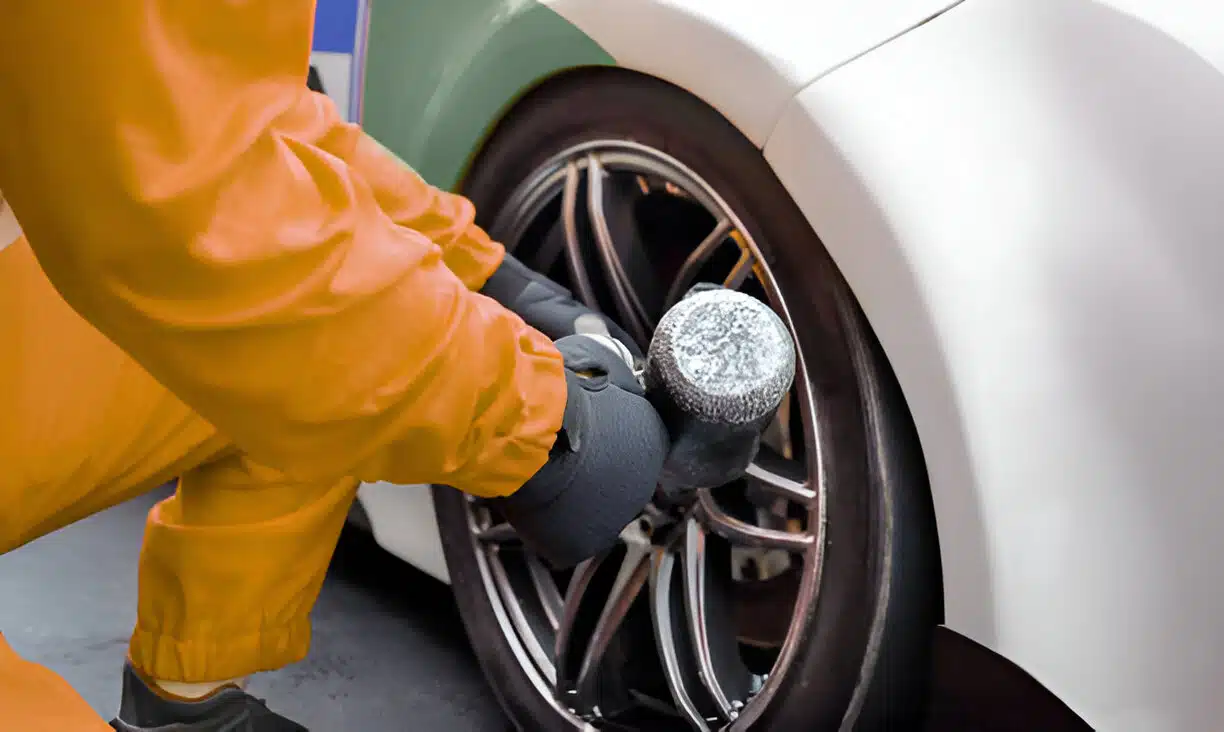
If you’ve ever tried to pull off a wheel center cap and it just wouldn’t budge, you’re not alone. These small covers might look simple, but removing them the wrong way can scratch your wheel, break the clips, or even hurt your fingers. The good news is — with the right tools, a little patience, and some smart tricks like using a flathead screwdriver, plastic pry tool, or a bit of WD-40, you can take them off safely without any damage. In this guide, I’ll walk you step by step through everything you need to know, from identifying your cap type to handling stuck or rusted ones, so you can get the job done quickly and confidently.
How to Remove Wheel Center Caps?
To remove wheel center caps, first check if they’re clip-on or screw-on. For clip-on caps, use a plastic pry tool or a flathead screwdriver wrapped with tape to gently pop them off. For screw-on caps, remove the wheel and unscrew from the back. Work slowly to avoid scratching the rim or breaking the clips.
What Is a Wheel Center Cap and Why Remove It?
A wheel center cap is the small cover that sits right in the middle of your car wheel. It usually hides the lug nuts or the open hole in the center, giving the wheel a clean, finished look. Some are simple plastic covers, while others are metal or even branded with a logo.
People remove center caps for a few reasons:
- To access the lug nuts when changing a tire
- To clean out dirt, dust, or brake dust that builds up behind the cap
- To replace a broken or scratched cap with a new one
- To upgrade to a different style or match new aftermarket wheels
In short, a center cap is mostly about protection and style, and removing it is often the first step when doing any wheel maintenance or replacement.
Different Types of Wheel Center Caps
When it comes to wheel center caps, not all of them come off the same way. Knowing which type you have saves you from using the wrong tool and damaging your wheel or the cap itself. Here are the most common types:
- Snap-On Caps – These simply click into place with small clips around the edge. You’ll usually see a little notch or gap where you can slide a flathead screwdriver or a plastic pry tool.
- Screw-On Caps – These are held by tiny screws or bolts, often requiring a Phillips screwdriver or an Allen key. They stay secure but take a little extra time to remove.
- Push-Through Caps – These fit tightly through the back of the wheel. To remove one, you usually need to jack up the car, take off the wheel, and push the cap out from behind.
- Bolt-On Caps – These are attached with the same lug nuts that hold your wheel. To remove them, you’ll need to loosen the nuts with a ratchet or wrench.
- Decorative/Chrome Spoke Caps – Often found on older or stylish wheels. They may use a small set screw or a knock-off style fastener.
The first time I tried to remove a push-through cap, I wasted 20 minutes prying from the front and scratched the chrome. Later I learned you just tap it out from the back with a rubber mallet — much easier and no damage.
Safety Gear and Wheel Protection Supplies
Before you start prying at a wheel center cap, it’s smart to get a few simple items that keep both you and your wheels safe. A scratched rim or a cut finger isn’t worth rushing the job. Here’s what I always recommend having ready:
- Gloves – Protect your hands from sharp edges, broken clips, or slipping screwdrivers.
- Masking Tape or Electrical Tape – Wrap it around your flathead screwdriver or line the area around the cap to avoid scratching the wheel finish.
- Soft Cloth or Microfiber Rag – Place it under tools or wipe away dirt and brake dust before you begin.
- Rubber Mallet – If a cap is stuck, gentle taps are safer than forcing a metal tool.
- WD-40 or Similar Lubricant – Helps with rusty or stubborn bolt-on or screw-on caps.
I once skipped the tape because I thought I’d be careful enough — big mistake. The slip left a small gouge on my alloy wheel that I noticed every time I cleaned the car. Since then, I never start without protecting the surface first. A little prep saves a lot of regret.
When to Jack Up or Remove the Wheel First
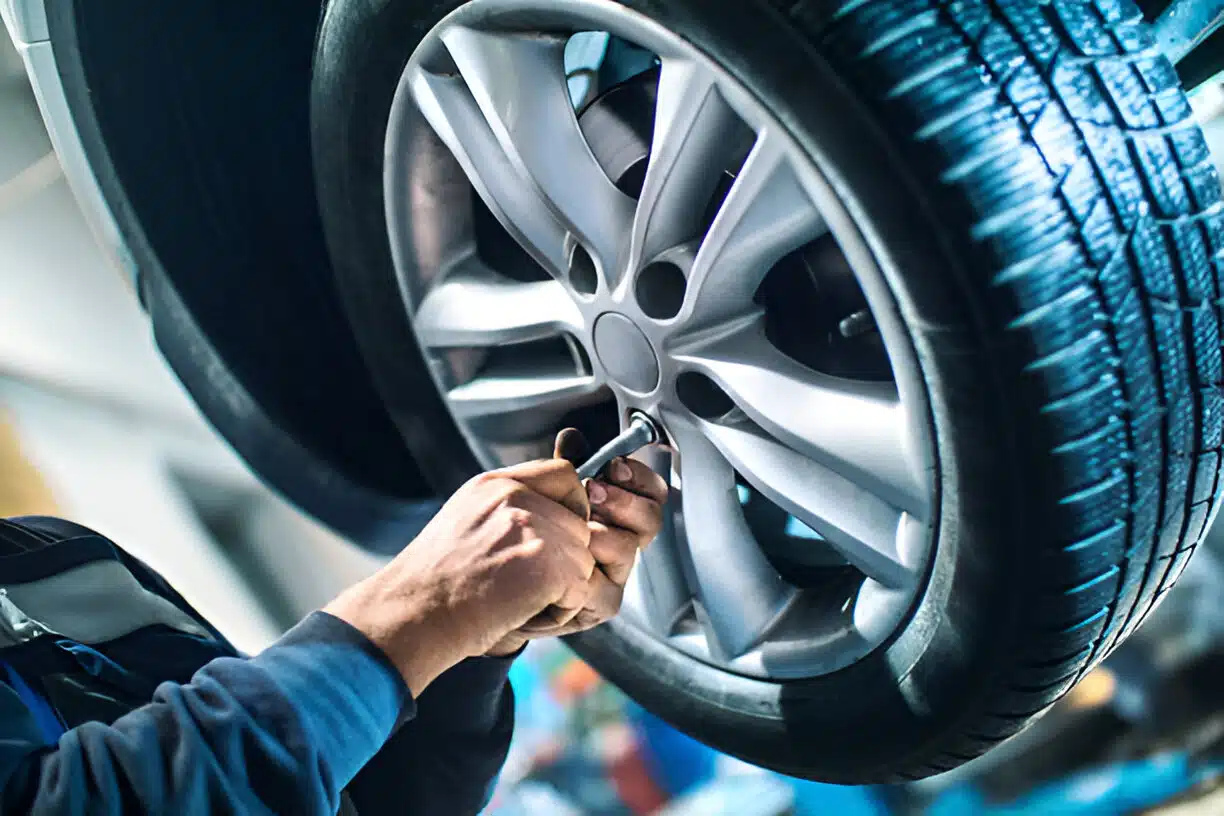
Not every wheel center cap needs the wheel lifted off the ground, but in some cases, it makes the job much easier. The trick is knowing when it’s worth pulling out the jack and when you can safely work with the wheel still on the car.
You’ll usually need to jack up the car or even remove the wheel if:
- You’re dealing with a push-through cap (these come out from behind the wheel).
- The cap is stuck tight and prying from the front risks scratching the rim.
- It’s a bolt-on cap that shares the same lug nuts holding your wheel.
- You plan to clean, inspect, or replace the wheel at the same time.
If your cap is a snap-on or screw-on type with a visible notch or screws on the front, you can usually leave the wheel in place.
From my own experience, I learned this lesson the hard way with an old push-through cap. I kept prying and wiggling at it for 15 minutes, only to realize later it was designed to pop out from behind. Once I jacked the car and tapped it with a rubber mallet, it slipped out in seconds — no damage, no frustration.
Removing Stuck or Rusted Center Caps
A stuck or rusted wheel center cap can be one of the most frustrating things to deal with. Instead of forcing it and risking broken clips or scratched wheels, here’s a safer way to loosen it up:
- Clean the Area First – Wipe off dirt, brake dust, and rust flakes with a soft cloth. This keeps grit from scratching your wheel as you work.
- Apply Lubricant – Spray a small amount of WD-40 or another penetrating fluid around the edges. Let it sit for 5–10 minutes so it can seep into tight spots.
- Use Gentle Heat – A hairdryer or low-setting heat gun can expand the metal or plastic slightly, helping break the rust bond. Avoid open flames.
- Pry Carefully – Wrap your flathead screwdriver with tape or use a plastic pry tool. Work around the cap in small motions instead of forcing one side.
- Tap Lightly – If it still won’t move, a rubber mallet can help. Light taps around the edge often free up a cap that’s stuck from rust.
One time, I dealt with an old bolt-on cap that wouldn’t budge even after spraying lubricant. What finally worked was a mix of heat and patience — warming the area with a hairdryer and then gently prying around the edges. It took longer, but I saved the cap and the wheel finish.
How to Deal with Stripped Screws or Damaged Threads
Dealing with stripped screws or damaged threads on a wheel center cap can be a real headache. If you push too hard with the wrong tool, the screw head can round off, making it nearly impossible to turn. Here’s how I usually handle it:
- Try a Different Screwdriver – Sometimes switching to a slightly larger or smaller Phillips or flathead gives just enough grip.
- Use Penetrating Oil – A little WD-40 around the screw helps loosen rust or debris holding it in place.
- Rubber Band Trick – Place a wide rubber band over the stripped screw head, then press the screwdriver in firmly. The rubber fills the gaps and gives extra bite.
- Screw Extractor Tool – If the screw is too far gone, a screw extractor set can grab and remove it.
- Fixing Damaged Threads – Once the screw is out, clean the threads with a thread chaser or small wire brush. If threads are beyond repair, you may need a replacement clip or even a new center cap.
I had this happen on a friend’s old screw-on cap — the tiny screw was stripped smooth. We tried the rubber band trick, and to my surprise, it worked like a charm. It’s a quick fix that saves you from drilling unless it’s really bad.
Preventing Injury While Using Tools
Working on a wheel center cap might look easy, but tools can slip fast and cause cuts, bruises, or even a cracked wheel finish. A little care goes a long way. Here are some simple ways to keep yourself safe:
- Wear Gloves – A good pair of work gloves protects your hands from sharp clips, screw edges, and accidental slips.
- Wrap Metal Tools – Cover the tip of a flathead screwdriver with tape or use a plastic pry tool. This keeps your hands safe and protects the rim.
- Apply Gentle Pressure – Forcing a tool usually ends in a sudden slip. Work slowly around the cap instead of pushing hard on one spot.
- Use the Right Tool – Avoid makeshift options like knives. A rubber mallet or proper screwdriver is safer and easier to control.
- Keep a Steady Base – If you’re jacking up the car, always secure it with jack stands before you start pulling or prying.
I once ignored gloves while prying a tight snap-on cap, and when the tool slipped, I scraped my knuckle deep enough to need a bandage. Since then, I never skip protective gear, even for quick jobs. A few seconds of prep makes the whole process safer and smoother.
According to an NHTSA service bulletin, careless handling of tools and sharp-edged components can cause surface damage—and recommends protecting the work area and handling tools carefully to reduce risk NHTSA.
Inspecting for Wear, Rust, or Broken Clips
Once a wheel center cap is off, it’s the perfect time to give it a quick inspection. A few minutes here can save you from rattling noises, loose caps, or even losing one while driving. Here’s what to check:
- Clips – Look closely at the small plastic clips or metal tabs that hold the cap in place. If any are cracked, bent, or missing, the cap won’t stay tight.
- Rust – On screw-on or bolt-on caps, check around the screws and threads for signs of rust. A little WD-40 or a wire brush can clean it up, but badly rusted hardware may need replacing.
- Surface Damage – Chips, scratches, or faded paint don’t affect how the cap holds, but they do affect how your wheel looks.
- Seal and Fit – Make sure the cap still fits snugly without wobbling. A loose fit is a sign the clips are worn.
According to the Driver and Vehicle Standards Agency (DVSA), regularly checking for loose wheel nuts and retorquing them shortly after initial tightening helps prevent wheel-fixing failures and potential accidents GOV.UK Assets.
I’ve had a cap fly off on the highway before because the clips were worn down and I didn’t notice when reinstalling it. Ever since, I check every clip before putting one back on. It’s a small step that keeps your wheels looking sharp and secure.
Conclusion
Taking off a wheel center cap doesn’t have to be stressful. With the right tools, a little patience, and the tips we’ve covered — from knowing your cap type to handling stuck or rusted clips — you can remove them without scratches or broken parts. Whether you’re changing a tire, cleaning away brake dust, or swapping in new caps, the key is to work gently and stay safe. Once you’ve done it a couple of times, it becomes one of those quick car care jobs you can handle with confidence.
Need a Helping Hand with Wheel Center Caps?
At American Wheels Company, we specialize in wheel maintenance, cap removal, lug nut servicing, and alloy wheel care in Richmond and surrounding areas. Whether it’s a stubborn cap, rusty clips, or just a quick inspection, I’m here to help with expert tools and care. Contact us today for a smooth, scratch-free service you can trust!
FAQs
Q: Can I remove a wheel center cap without special tools?
Yes. A flathead screwdriver wrapped in tape or even a sturdy credit card can work for snap-on caps. Just be careful not to scratch your wheel.
Q: Do I need to take the wheel off first?
Not always. For snap-on and screw-on caps, you can remove them with the wheel still on. But for push-through or bolt-on caps, you’ll usually need to jack up the car and take the wheel off.
Q: Is WD-40 safe to use on wheels?
Yes, a light spray of WD-40 around the edges won’t hurt the wheel finish and helps loosen stuck or rusted caps. Just wipe away any excess afterward.
Q: How much force should I use when prying?
If you feel like you’re forcing it, stop. Work around the cap with gentle, even pressure. A rubber mallet tap can help instead of pushing too hard.
Q: Can I drive without wheel center caps?
Yes, the car will drive fine without them. The caps are mostly for style and to keep out dust and debris. Still, it’s best to keep them on for a clean look and extra protection.