
Ultimate Guide to Choosing the Right Wheels for Your Car in 2025

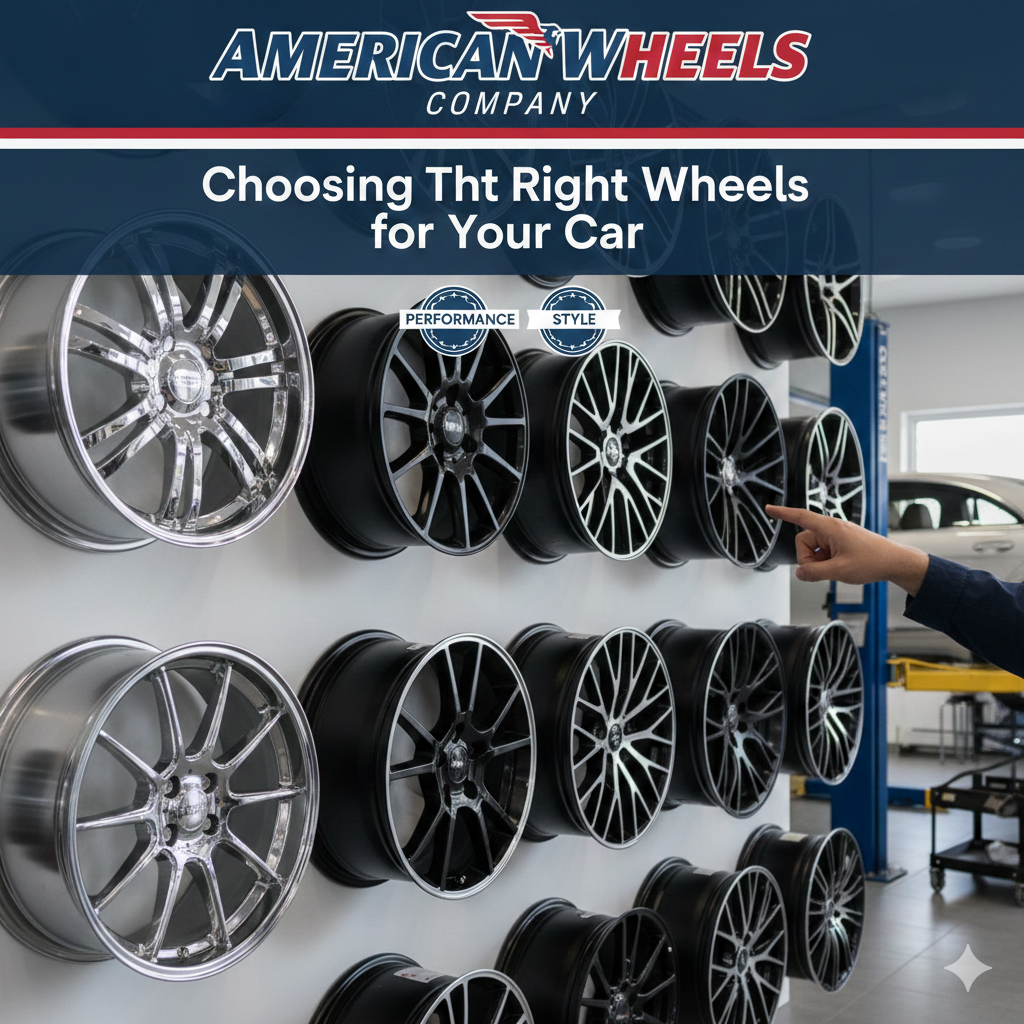
Choosing the right wheels for your car in 2025 is no longer just about style. Today, wheels affect vehicle performance, handling, braking, fuel efficiency, and overall safety. In the United States, with millions of drivers upgrading their vehicles every year, making the wrong choice can lead to costly mistakes and even mechanical failures. Understanding how to choose wheels for car ensures that your upgrade not only looks great but also improves performance and reliability.
At American Wheels Company, we guide U.S. drivers through every aspect of wheel selection, from materials and sizing to fitment and accessories. Accessories like wheel center caps or floater center caps can enhance both the protection and the appearance of your wheels, making them functional and stylish.
Why Wheel Choice is Critical in 2025
Your choice of wheels impacts more than aesthetics. According to the National Highway Traffic Safety Administration (NHTSA), improper wheel fitment and low-quality materials contribute to a significant number of vehicle failures each year in the U.S. Wheels influence:
- Ride comfort: Incorrect diameter or offset can create vibrations.
- Handling and stability: Wheel width, material, and weight affect cornering and braking.
- Fuel efficiency: Heavier wheels reduce mileage.
- Safety: Improper fitment can damage suspension components or brakes.
Lightweight wheels, for example, reduce rotational mass, improving acceleration and fuel economy. Research from the U.S. Department of Energy highlights that lighter wheels enhance efficiency without compromising durability. Understanding these fundamentals is essential before purchasing wheels, especially if you intend to use high-performance or specialty vehicles.
Wheel Materials: Alloy, Forged, and Steel
Choosing the right material is one of the most important steps in how to choose wheels for car upgrades. Each material offers unique benefits and potential drawbacks.
Aluminum Alloy Wheels
Aluminum alloy wheels are widely used due to their light weight, heat dissipation, and customization options. These wheels improve fuel efficiency, braking, and handling. They are ideal for:
- City drivers: Smooth handling and comfort.
- Highway commuters: Lightweight properties reduce fatigue and fuel costs.
For aesthetics, alloy wheels pair beautifully with 146mm chrome center caps, giving a premium finish while protecting the hub from dust and moisture. The alloy’s heat dissipation also extends brake life—a key advantage for U.S. drivers in warmer states like Arizona or Texas.
Forged Wheels
Forged wheels are manufactured under high pressure, aligning the metal structure for superior strength. They are lighter than cast alloys and extremely resistant to bending or cracking. Ideal for performance cars, SUVs, and electric vehicles, forged wheels improve:
- Acceleration
- Braking performance
- Steering responsiveness
Pairing forged wheels with floater center caps adds style while ensuring logos remain upright during rotation. This combination is popular among enthusiasts looking for both high performance and a visually striking appearance.
Steel Wheels
wheels are durable and cost-effective, making them ideal for:
- Winter driving in snowy states
- Heavy-duty trucks and utility vehicles
- Budget-conscious drivers
Steel wheels can also be enhanced with wheel center caps to improve appearance while maintaining durability. While heavier than alloys, their strength makes them resilient to potholes and road debris, common on many U.S. highways.
Wheel Size and Fitment: A Step-by-Step Guide
Proper wheel size and fitment are critical for safety and performance. Common mistakes in this area are a leading cause of tire wear, suspension damage, and handling issues.
Diameter
Larger wheels improve aesthetics but reduce tire sidewall height, affecting ride comfort. A general rule for U.S. roads is to increase diameter by no more than 1–2 inches from the factory size.
Width
Wider wheels improve traction but increase rolling resistance, potentially reducing fuel efficiency. Selecting the correct width ensures even tire wear and stable handling.
Weight
Lighter wheels reduce unsprung weight, improving acceleration, braking, and fuel economy. Performance enthusiasts often prioritize forged or lightweight alloy wheels.
Fitment Basics
Correct fitment includes bolt pattern, center bore, offset, and backspacing. Misalignment can lead to:
- Wheel wobble
- Suspension strain
- Premature tire wear
Adding compatible accessories like floater center caps can further enhance functionality and style, ensuring your wheels perform as intended.
Common Mistakes to Avoid
Choosing the wrong wheels can have serious consequences. Avoid these pitfalls:
- Focusing Only on Appearance: Oversized or heavy wheels may compromise ride comfort and handling.
- Ignoring Fitment Specs: Incorrect bolt patterns, offsets, or backspacing can damage suspension components.
- Neglecting Accessories: Accessories like 146mm chrome center caps provide hub protection and a polished finish.
- Selecting Low-Quality Materials: Cheap wheels are prone to cracking and corrosion, particularly in U.S. climates with snow, salt, or heat.
Performance vs. Style: Finding the Balance
Balancing performance and aesthetics is key to a successful wheel upgrade.
Performance-Focused Selection
Lightweight forged or alloy wheels improve handling, reduce braking distances, and enhance fuel efficiency. Adding wheel center caps ensures hub protection without sacrificing performance.
Style-Focused Selection
For a stylish upgrade, consider chrome, gloss black, or deep-dish wheels. floater center caps and 146mm chrome center caps provide visual appeal while maintaining functionality. This combination is popular among sedans, SUVs, and high-end sports vehicles.
Wheel Maintenance for Longevity
Routine maintenance ensures long-lasting performance and protects your investment.
- Cleaning: Remove brake dust and grime regularly to prevent corrosion.
- Accessory Inspection: Check wheel center caps and floater center caps for tightness and wear.
- Tire Rotation & Balancing: Maintain even wear for smooth handling and extended tire life.
Proper maintenance also protects aftermarket accessories and preserves wheel aesthetics, which is especially important for drivers in regions with variable U.S. weather.
Final Thoughts
Learning how to choose wheels for car upgrades in 2025 requires attention to material, size, fitment, and accessories. By selecting wheels that balance performance and style—and complementing them with premium accessories like floater center caps or 146mm chrome center caps—U.S. drivers can enjoy both improved handling and a striking appearance. American Wheels Company provides expert guidance and a wide selection of wheels to ensure your upgrades are safe, functional, and visually appealing.
FAQ Section
Q1: How do I determine the correct wheel size for my vehicle?
A1: Check your vehicle manufacturer’s specifications for diameter, width, and offset. Accessories like wheel center caps can enhance both protection and aesthetics.
Q2: What is the difference between alloy and forged wheels?
A2: Alloy wheels are cast and ideal for everyday use, while forged wheels are stronger, lighter, and designed for high-performance vehicles.
Q3: Can I use floater center caps on any wheel?
A3: No. They require hub-compatible wheels. Learn how floating center caps work before installation.
Q4: How do I safely remove wheel center caps?
A4: Follow the step-by-step guide on how to remove wheel center caps to prevent damage.
Q5: Do larger wheels reduce fuel efficiency?
A5: Yes, oversized wheels increase rotational mass. Lightweight wheels help mitigate fuel consumption loss.
Q6: Are 146mm chrome center caps compatible with standard wheels?
A6: Only wheels with a 146mm center bore. Always verify before purchase.
Q7: How often should I inspect my wheels and accessories?
A7: Inspect every 3–6 months, or more frequently if driving in harsh climates. Regular checks prevent damage to both wheels and center caps.